Evidence Standards
The Tarlo methodology describes the complete sequence from initial intake assessment through to habit protocol provision and periodic review. Each stage is documented, versioned, and archived.
How every engagement proceeds
Initial Intake Documentation
A structured seven-day intake record is completed prior to the first consultation session. This covers all food and drink consumed, timing, preparation method, and estimated portion volumes. The record is reviewed against published nutritional composition tables before any analysis begins.
Compositional Gap Analysis
The intake record is mapped against recommended daily composition ranges for macronutrients, key micronutrients, fibre distribution, and hydration. Gaps and imbalances are documented with reference to the specific meal occasions where deviation from baseline is most pronounced.
Activity Baseline Assessment
Sport and fitness activity is recorded across the same seven-day window. Output requirements are estimated from documented activity type, duration, and frequency. These figures inform the caloric and macronutrient targets embedded in the subsequent habit protocol.
Habit Protocol Design
A written habit protocol is produced, specifying compositional targets per meal occasion, portion guidance, and a ranked list of whole food substitutions for any ultra-processed items identified in the intake record. The protocol is issued as a versioned document with a revision date and reference number.
Seasonal Ingredient Calibration
All meal composition frameworks reference the UK seasonal produce calendar, updated quarterly. Ingredient selections within a protocol are reviewed at each seasonal transition and updated to reflect current harvest availability and micronutrient profiles of in-season produce.
Periodic Review and Revision
Each habit protocol is reviewed at six-week intervals during active engagement. Updated intake records are compared against the baseline, and protocol revisions are issued with a new version number. All revision histories are archived and accessible to the individual throughout their engagement with Tarlo.
The reference framework underlying every protocol
Tarlo's compositional standards draw on published nutritional research from peer-reviewed dietary science literature. References are drawn from UK dietary guidelines, European Food Safety Authority nutritional reference values, and relevant independent nutritional research.
Ingredient profiles within meal plans are selected on the basis of whole food composition data — specifically fibre content, micronutrient density, and glycaemic load — rather than macronutrient composition alone. This reflects the real food approach that underlies all Tarlo frameworks.
Ingredient profiles in Tarlo frameworks are selected based on published nutritional research and each protocol undergoes independent batch verification for quality and labelling accuracy. We recommend speaking with a qualified wellness or nutrition professional before introducing any significant change to your daily routine, particularly if you have specific dietary requirements.


How ingredient selections are verified
Documented supplier origin
Active ingredients are sourced from documented suppliers, with each ingredient accompanied by a certificate of composition. Sourcing prioritises suppliers whose facilities maintain food-grade processing standards. Origin is recorded in the ingredient catalogue and updated with each quarterly review.
Chain-of-custody records
Each ingredient referenced in a Tarlo framework carries a chain-of-custody record from regional supplier to final meal composition specification. This traceability standard ensures that seasonal substitutions are drawn from verified source materials rather than undocumented alternatives.
Independent verification
Compositional claims within Tarlo frameworks reference independently verified nutritional data. No proprietary composition figure is cited without a corresponding third-party data source. Verification records are maintained in the Tarlo archive alongside protocol revision histories.
Regional sourcing criteria
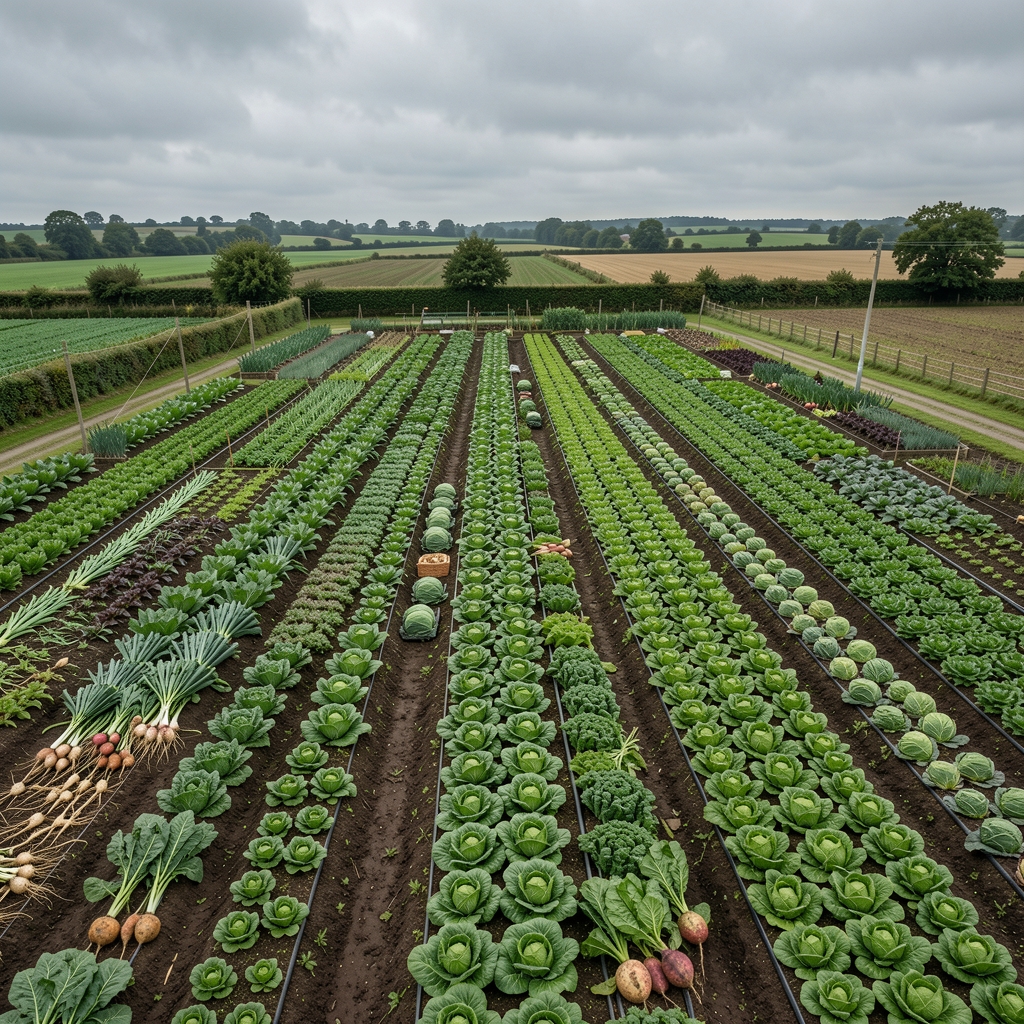
Primary sourcing for seasonal vegetables and fruits draws from UK farming cooperatives with documented harvest calendars. The Tarlo seasonal catalogue references produce from East Anglian arable regions, Scottish soft fruit growers, and South West England root vegetable suppliers.
Supplementary sourcing for ingredients outside the UK seasonal window references documented European suppliers, primarily in the Netherlands, Spain, and Italy. All European-sourced ingredients carry equivalent chain-of-custody documentation.
Whole grain references within Tarlo frameworks are drawn from UK-milled or European-sourced grains with documented origin maps. Minimally processed milling methods are specified where composition data indicates a meaningful nutritional difference between processing grades.